This post contains affiliate links. We may earn a small commission if you purchase through our links, at no extra cost to you.
Your entryway is the first thing you see when you walk in and the last thing you see before you leave, and yet it’s usually where design goes to die. Shoes pile up. Mail drifts into loose stacks. Keys disappear into whatever surface is closest. It’s the most-used square footage in the house and the least considered.
You don’t need a renovation to fix that. What you need is a handful of intentional pieces that do double duty: catching the clutter while quietly setting the tone for the whole home. Everything here ships fast from Amazon and looks significantly more expensive than it is, which means you can build a calm, considered entry this week, not next season.
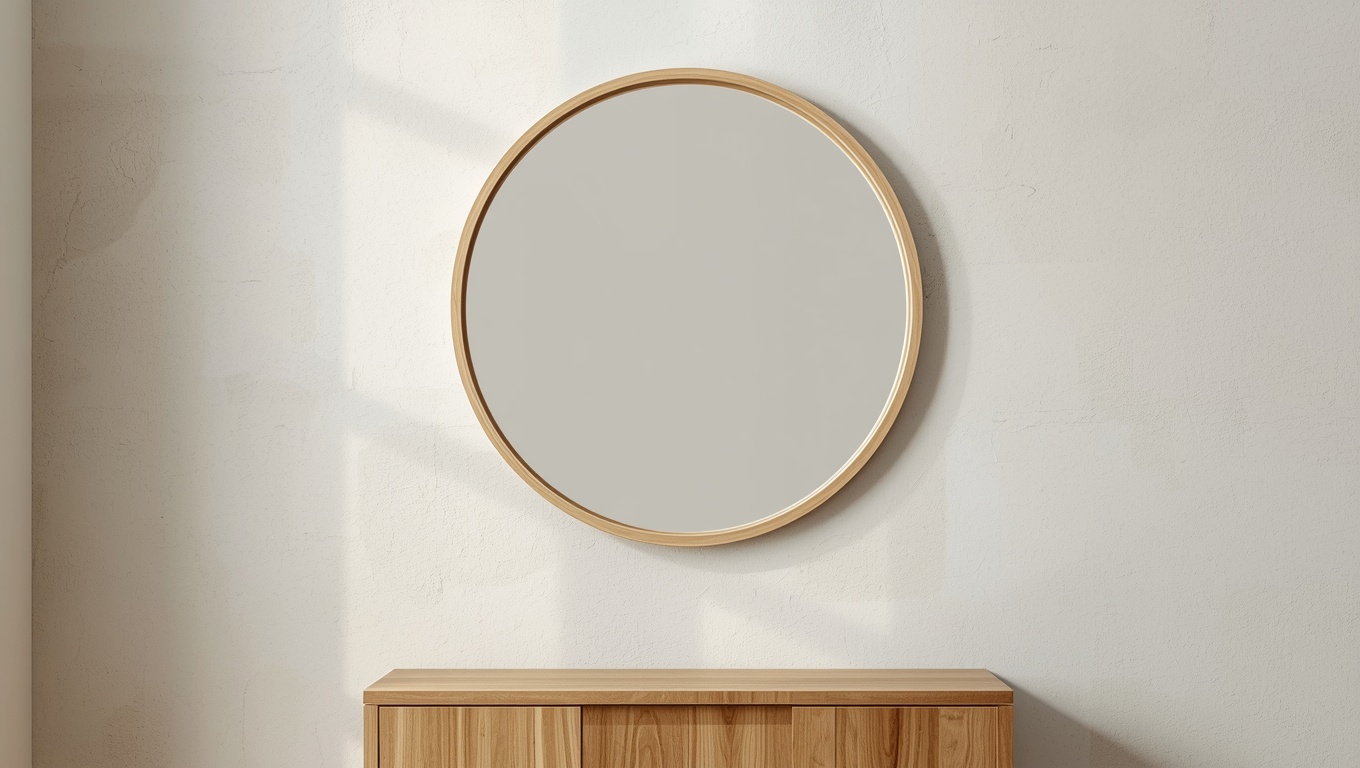
1. Round Wood Mirror – Doubles Your Light, Halves Your Chaos
A circular mirror in a natural wood frame, sized to hang above a console table or bench near the door. Use it for a last-glance check before you leave, and let it bounce daylight deeper into a narrow hallway. The round shape keeps things soft in a space full of hard angles and straight lines.
Why it works: Circular forms and honest wood grain are core to the Japandi palette, softening an entryway’s edges without adding visual weight.
2. Seagrass Storage Basket – The Shoe Pile’s Best Disguise
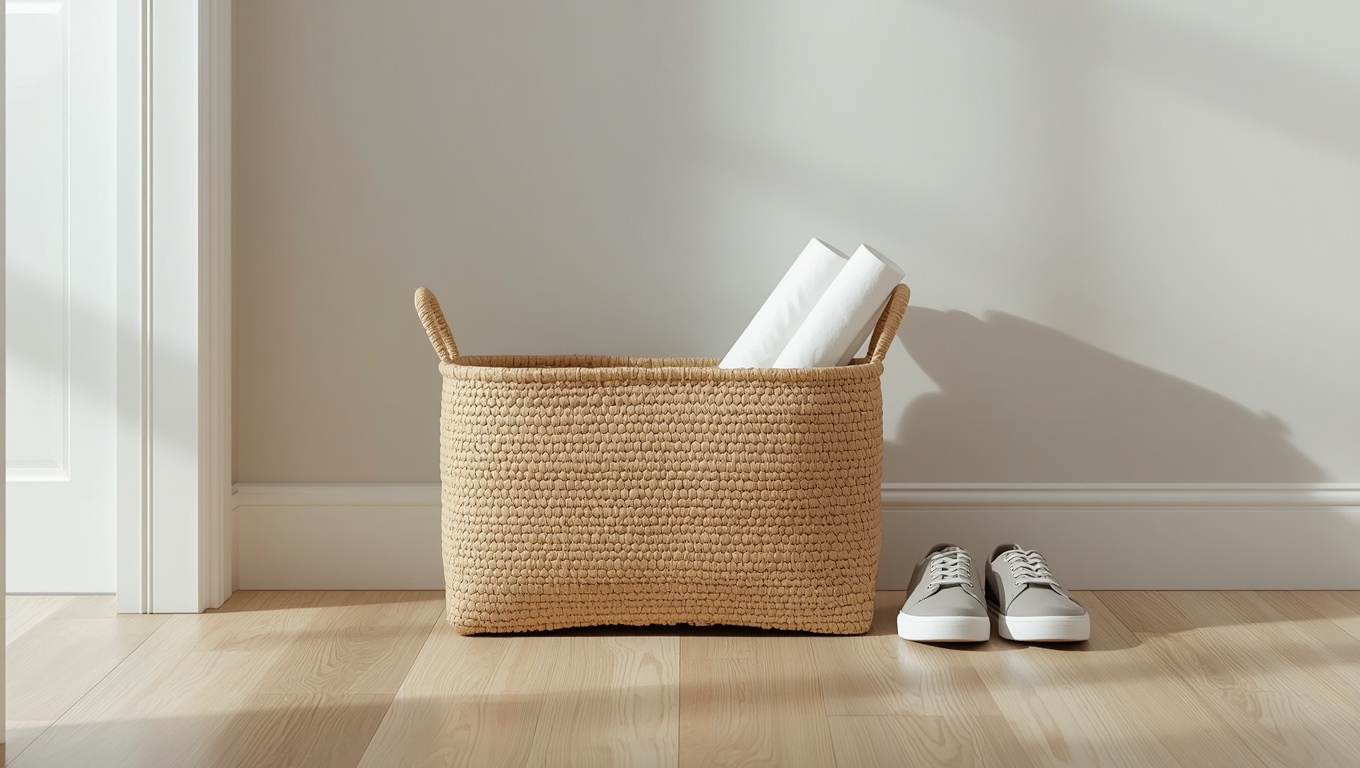
A handwoven seagrass basket, rectangular and sturdy enough to sit on the floor by the door. Drop in extra shoes, dog leashes, or umbrellas without anyone seeing the mess underneath. It reads as styling, not storage.
Why it works: Woven natural fiber brings texture and imperfection into the entry, the tactile, organic quality wabi-sabi design is built on.
3. Travertine Catchall Tray – Where Your Keys Actually Live Now
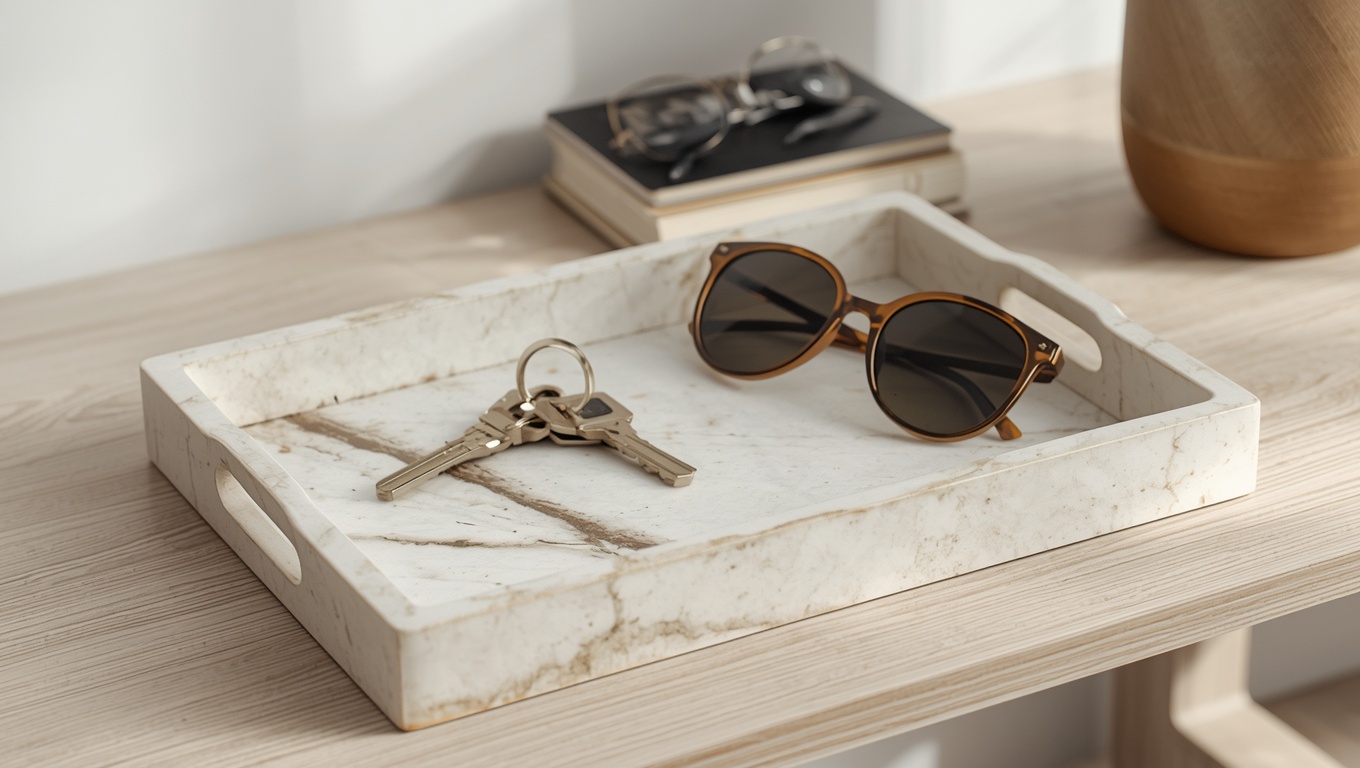
A matte ceramic tray with the soft, pitted look of travertine stone, sized for a console tabletop. Set it near the door for keys, sunglasses, and the day’s mail so they stop colonizing every other surface. It works just as well on a nightstand if your entry doesn’t have room.
Why it works: The stone-like matte finish and irregular texture add quiet organic detail without introducing any new color to the palette.
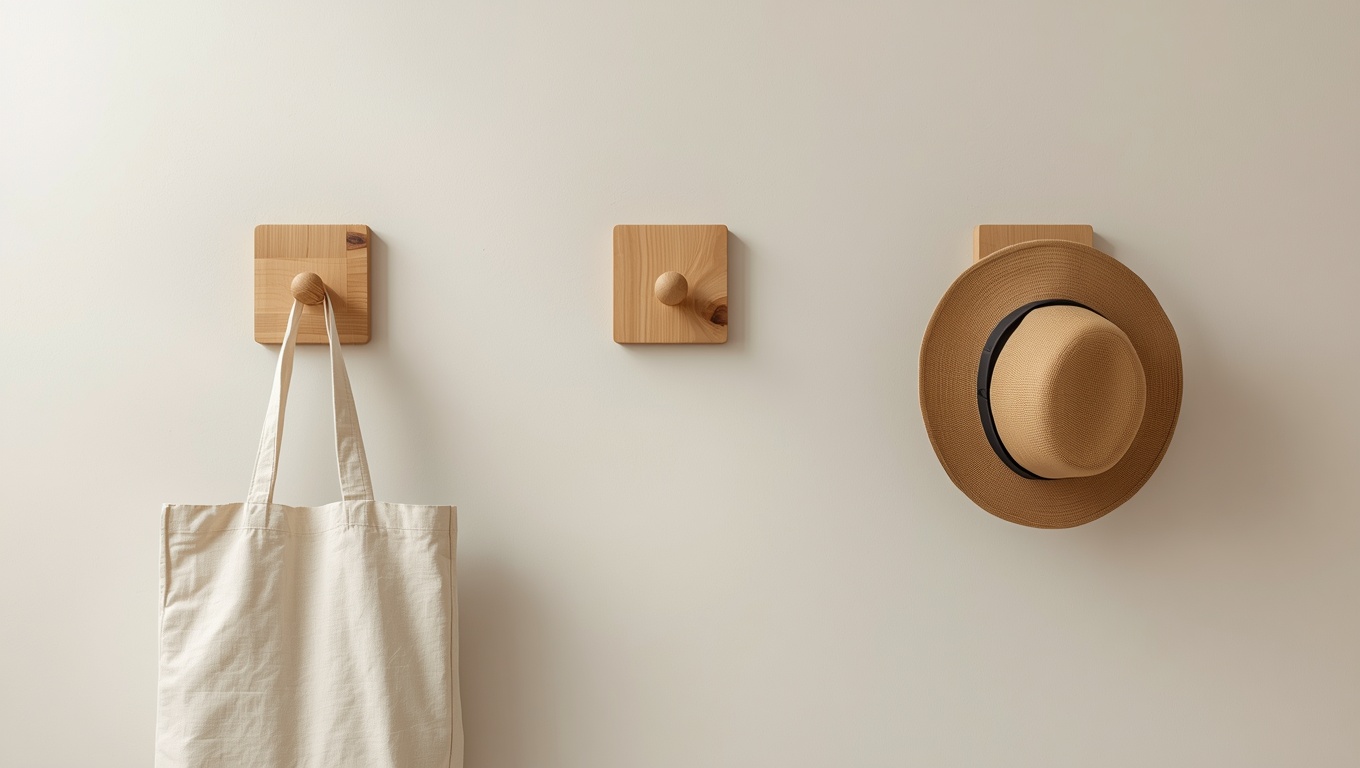
4. Wooden Wall Hooks – Coats, Sorted
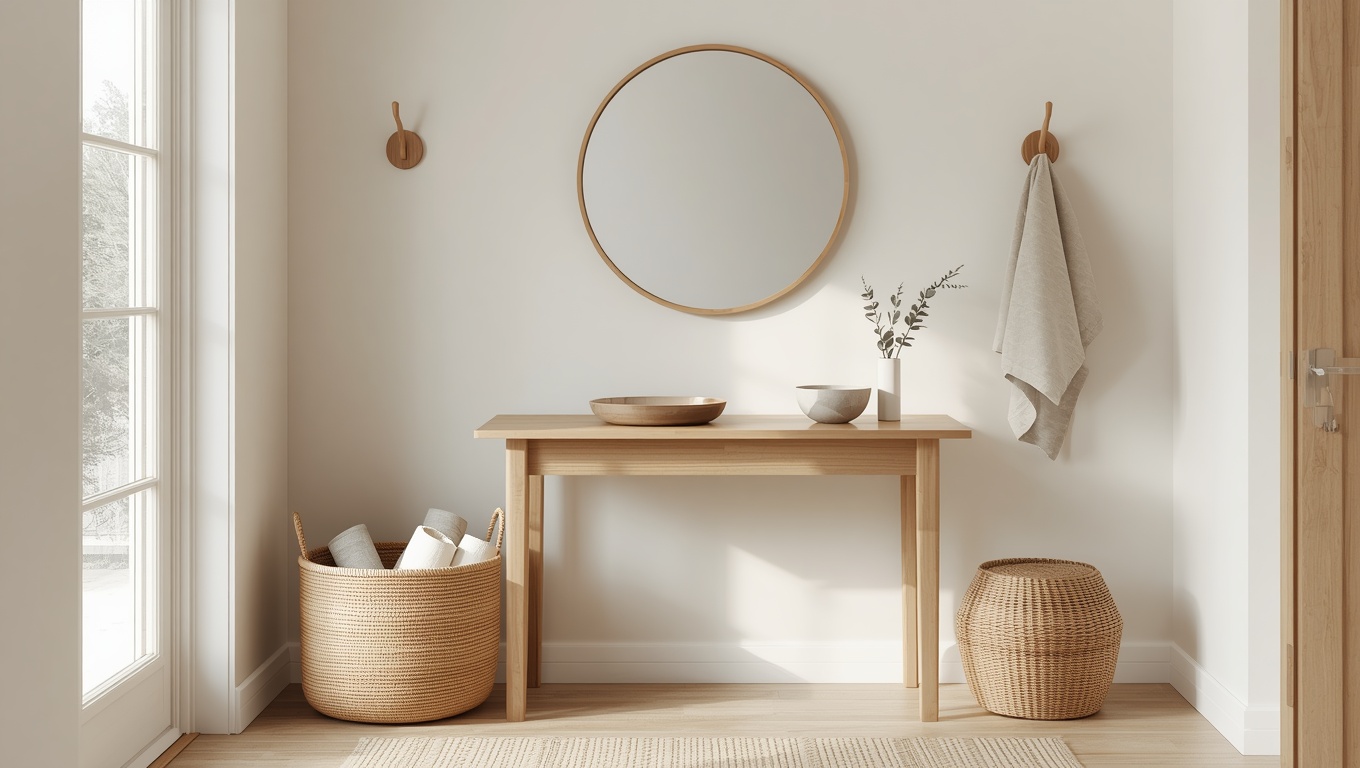
A set of minimalist wall-mounted hooks in natural wood, each with a simple rounded profile. Mount them at the door for coats, bags, and leashes so nothing lands on a chair instead. Spaced with a little negative space between them, they double as quiet wall decor even when empty.
Why it works: Simple wood forms with visible grain are the definition of honest materials, functional objects that don’t need to hide what they’re made of.
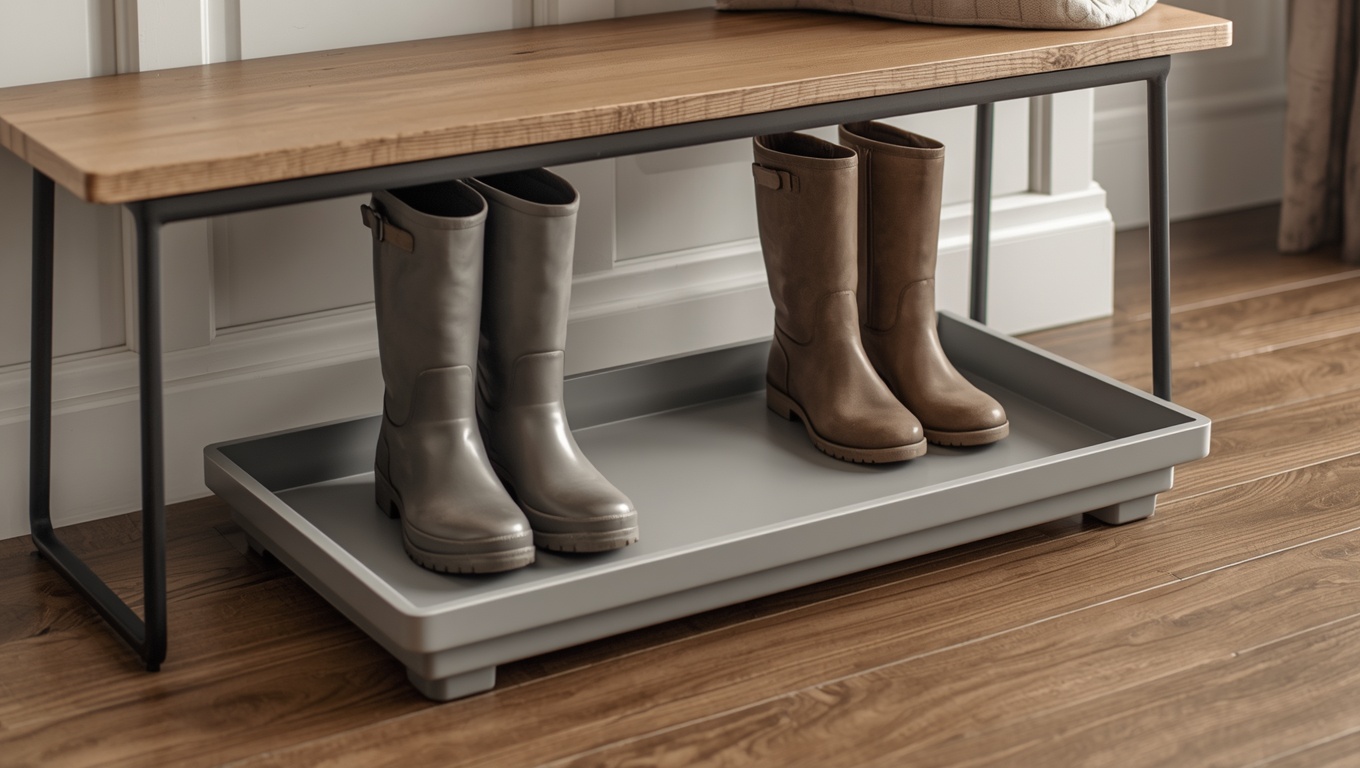
5. Minimalist Boot Tray – The Unsung Hero Under the Bench
A low-profile waterproof tray in a soft neutral tone, made to sit under a bench or just inside the door. It catches mud, snow melt, and wet boots so your floor doesn’t have to. Because the color is neutral rather than utilitarian black, it disappears into the styling instead of standing out.
Why it works: It solves a genuinely messy problem while staying inside the neutral palette, proof that function doesn’t have to break the calm.
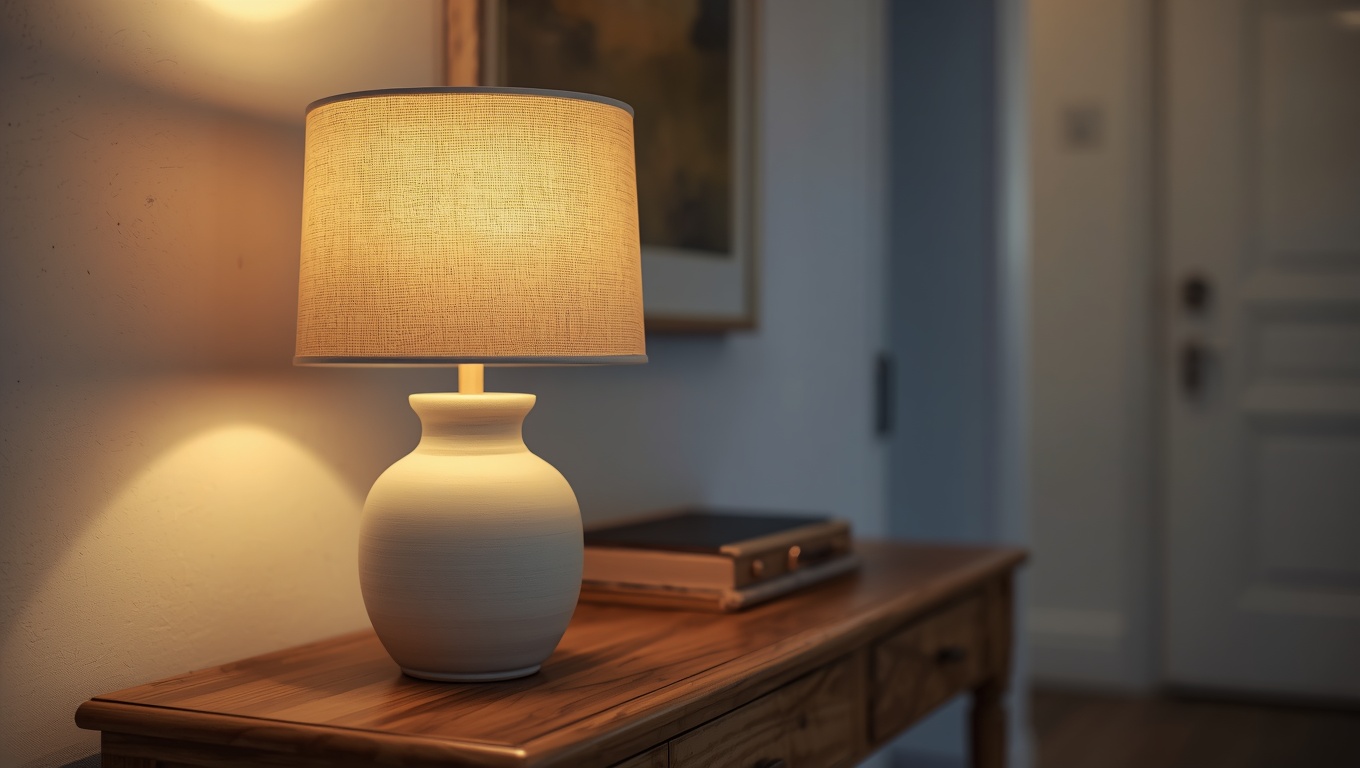
6. Ceramic Table Lamp – Lighting Is Architecture
A small ceramic table lamp with a linen shade, sized for a console or narrow entry table. Switch it on at dusk to greet you with soft pools of light instead of a harsh overhead switch. It’s a small gesture that makes coming home feel considered rather than functional.
Why it works: Warm, low lighting is a Japandi essential, and a ceramic base with a linen shade keeps the material story consistent with the rest of the room.
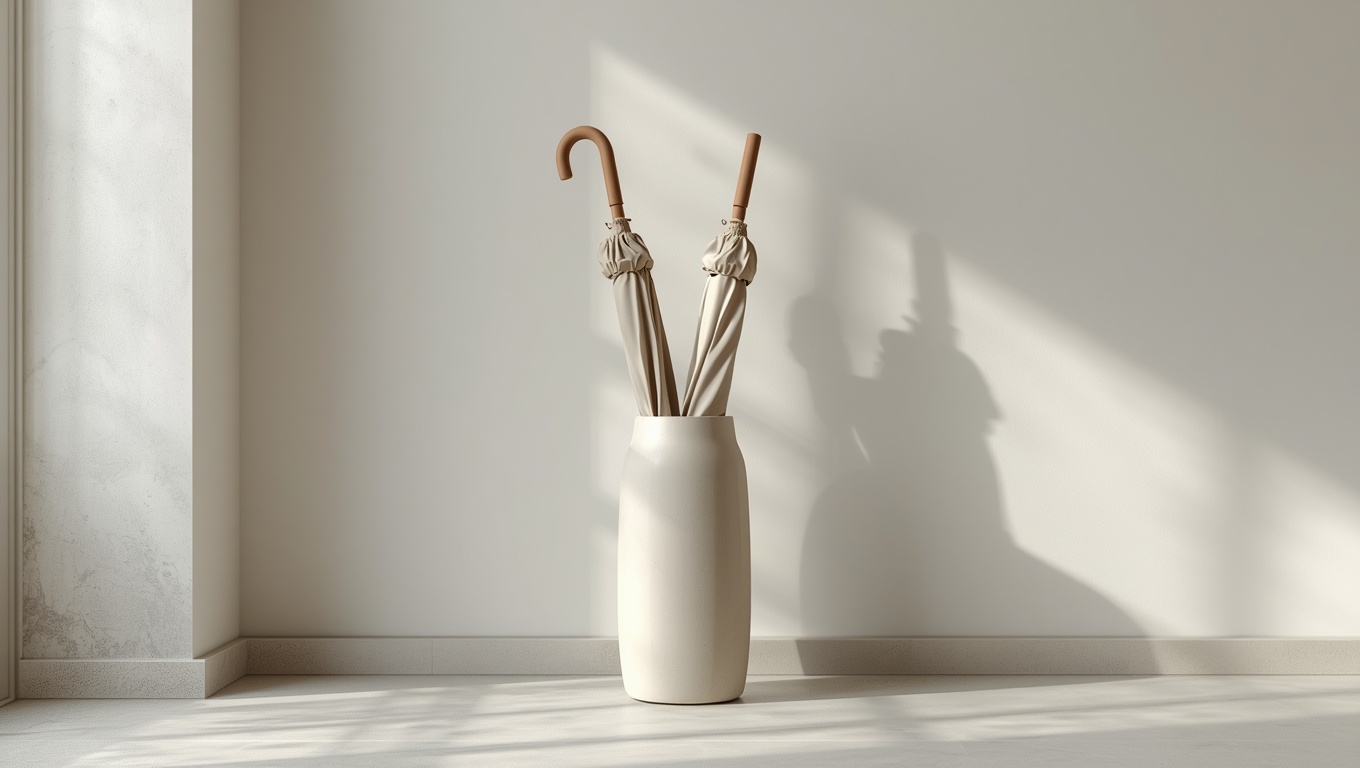
7. Soakstone Umbrella Stand – A Corner That Finally Has a Job
A ceramic umbrella stand with the soft, chalky finish of soakstone, tall enough to hold a few umbrellas or a walking stick upright. Tuck it into the awkward corner every entryway has, the one that usually collects nothing but dust. It has enough presence to read as decor even on days it’s empty.
Why it works: Its sculptural, matte form grounds a corner quietly, giving a functional object the visual weight of a considered decor piece.
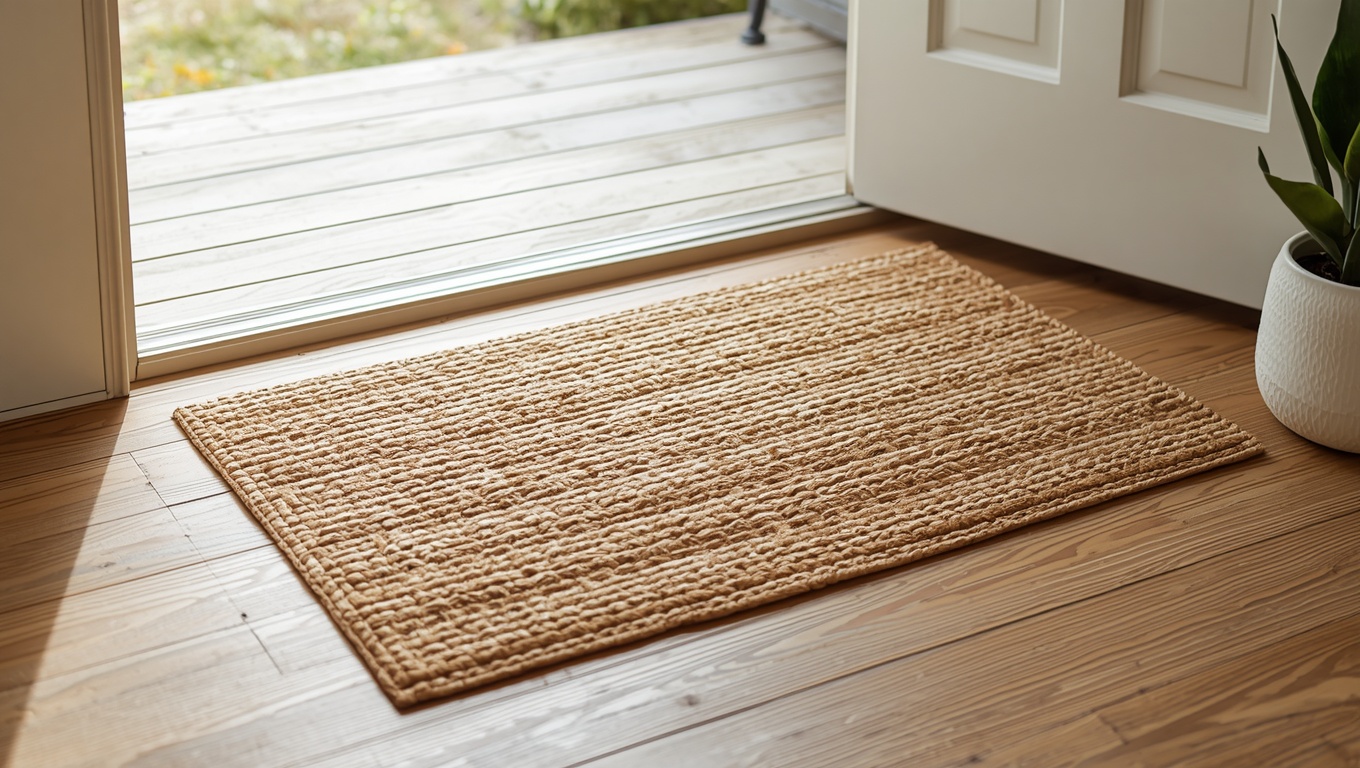
8. Woven Cotton Door Mat – The First Step Home
A woven cotton mat in natural, undyed tones, made to sit just inside the door or layered on top of the boot tray. It wipes feet softly without the rough, synthetic feel of a standard doormat. Over time it wrinkles and softens beautifully underfoot.
Why it works: Woven natural cotton adds an underfoot layer of texture, reinforcing the tactile, unfussy quality central to wabi-sabi styling.
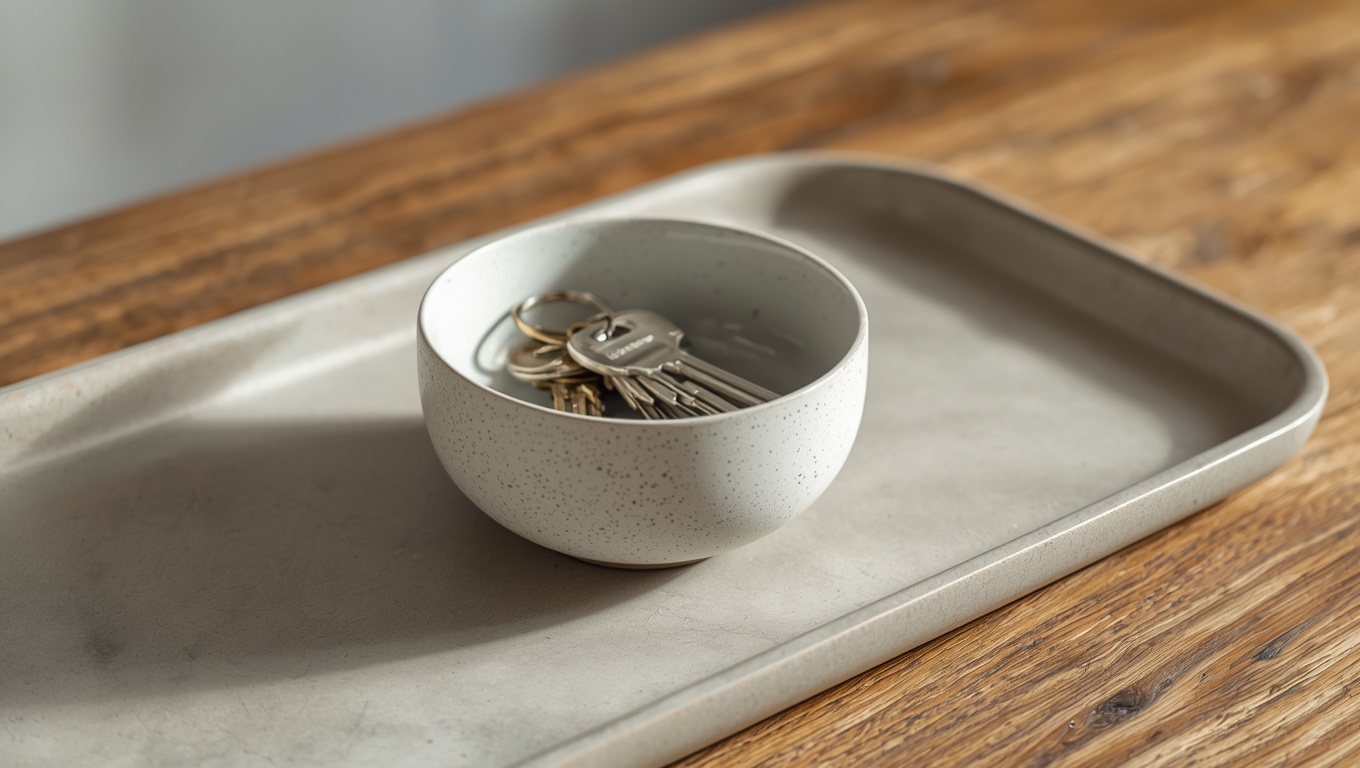
9. Speckled Stoneware Bowl – Keys Land Here, No Exceptions
A small speckled stoneware bowl, just deep enough to hold keys, coins, or a ring you don’t want to wear while cooking. Set it inside the catchall tray or directly on the console for a tiny built-in landing spot. It’s the kind of object that solves a daily annoyance without looking like it’s trying to.
Why it works: The natural speckling means no two bowls look identical, a small imperfection that gives the vignette an unforced, wabi-sabi feel.
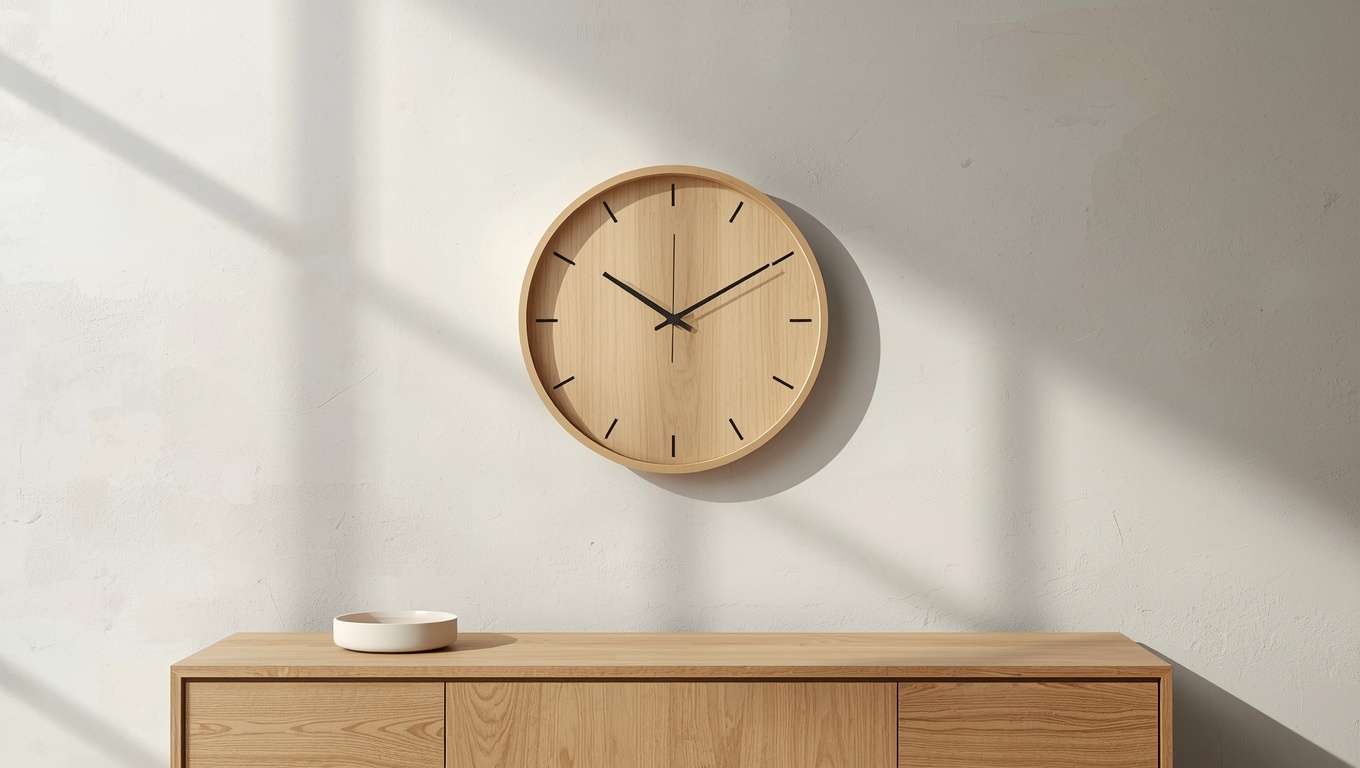
10. Flatwood Wall Clock – Time, Without the Noise
A minimalist wood wall clock with a silent, non-ticking movement, hung above the console or beside the mirror. It keeps you on schedule without the anxious tick every other clock seems to have. The flat wood face keeps the design quiet enough to blend into the wall.
Why it works: A clean face with generous negative space and warm wood tone keeps a purely functional object from disrupting the entryway’s calm.
The $270 Entryway Rule
Every piece on this list adds up to under $270, and you don’t need all ten at once to feel the shift. Start with the three that solve an actual daily problem: the boot tray, the storage basket, and the wall hooks. Those alone will take the visual noise down considerably.
Once the function is handled, layer in the atmosphere pieces: the mirror, the lamp, the clock. These are what make an entryway feel designed rather than merely tidy, soft light and warm wood doing the quiet work of making a small space feel intentional.
The goal was never to buy everything. It’s to walk in the door, set your keys in the bowl, and feel like the whole house exhales a little. That’s the entryway doing its job.
You Might Also Like
- 10 Japandi Kitchen Essentials You Can Find on Amazon
- 10 Japandi Bathroom Essentials You Can Find on Amazon
- 10 Japandi Bedroom Essentials You Can Find on Amazon (Under $70 Each)
All prices accurate at time of publishing. Amazon prices fluctuate – check the current price on the product page.